

 Residential Energy Storage Solutions
 Commercial & Industrial BESS Solutions
 Residential Energy Storage System
 Commercial & Industrial BESS
 Residential Inverter
 Deep Cycle LiFePO4 Battery



 Datasheet
 Warranty
 FAQ
FAQ Videos
 Technical Support
 Contact Us
 News
News Webinars
 Events
How BESS Reduces Demand Charges for Businesses
Demand charges are one of the largest and least understood components of commercial electricity costs. For many businesses, a single peak demand event can significantly increase monthly energy bills.
A battery energy storage system (BESS) provides a practical solution by reducing peak demand through controlled energy discharge and intelligent system management. By lowering the highest power drawn from the grid, BESS enables businesses to directly reduce demand charges and improve overall energy cost efficiency.
This article explains how BESS reduces demand charges, what factors influence performance, and how system design impacts real-world savings.
What is Demand Charges
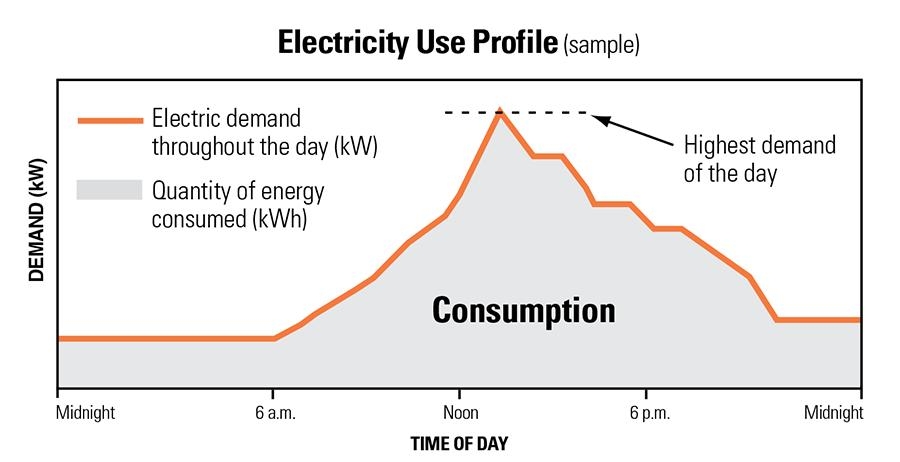
For commercial and industrial facilities, electricity bills typically include both energy charges (kWh) and demand charges (kW). While energy charges reflect total consumption, demand charges are based on the highest 15-minute or 30-minute peak demand recorded during the billing cycle.
This means that even a short-duration spike, such as equipment startup or simultaneous load usage, can determine the demand charge for the entire month. In many cases, demand charges account for 30% to 70% of total electricity costs, making them a major driver of overall energy expenses.
How BESS Reduces Demand Charges
A BESS reduces demand charges by actively managing how and when electricity is drawn from the grid. Instead of relying solely on grid power during peak periods, the system discharges stored energy to offset load and limit peak demand.
For example, if a facility reaches a peak load of 300 kW, a battery discharging 100 kW can reduce the recorded grid demand to 200 kW. This reduction directly lowers the demand charge applied by the utility.
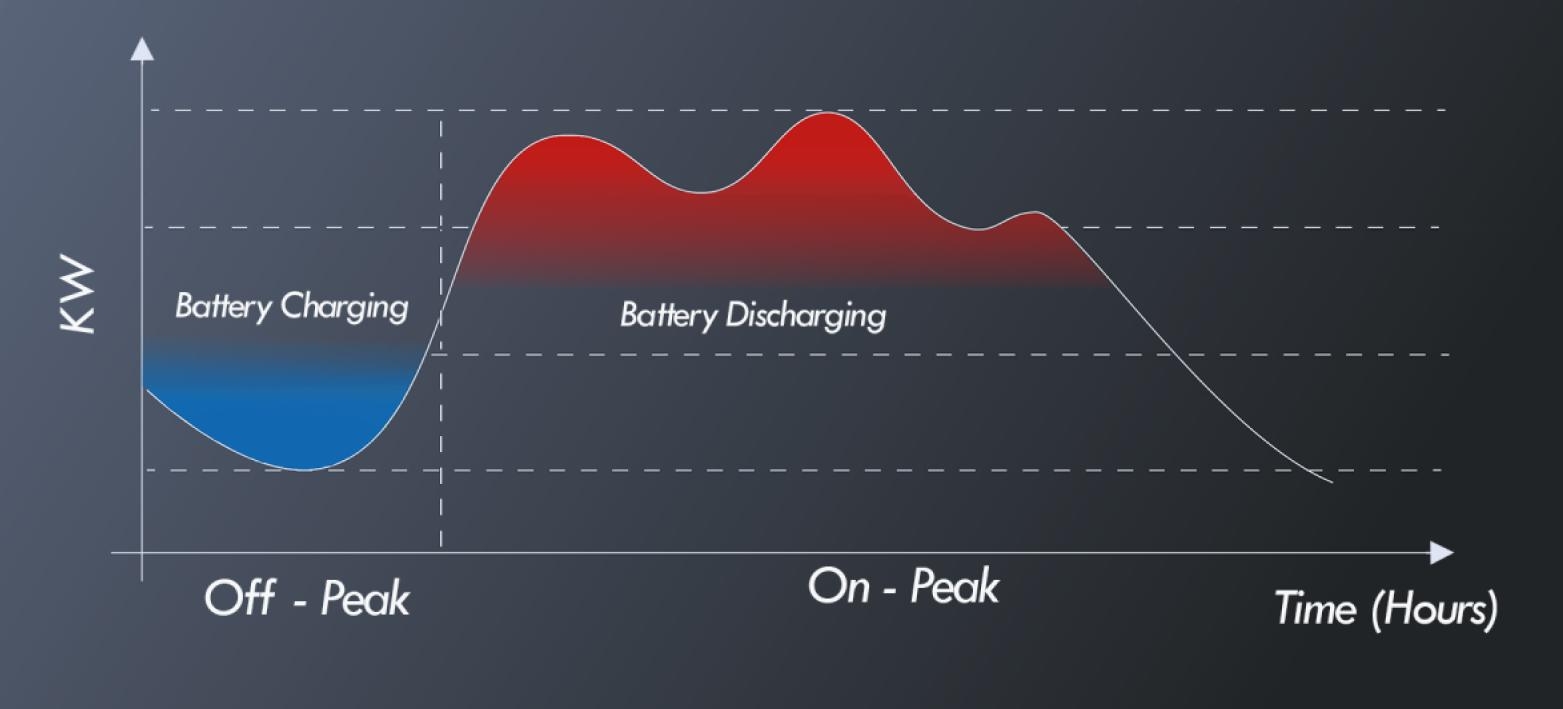
Beyond simple peak shaving, BESS also stabilizes load fluctuations. In facilities where demand varies due to operational cycles, the system can absorb short-term spikes and smooth the overall load profile. This reduces the likelihood of unexpected peaks that can increase costs.
The effectiveness of this process depends heavily on system control. With an integrated energy management system (EMS), the battery can monitor load in real time, anticipate peak events, and respond quickly to maintain demand within a target range.
System Design and Performance Factors
The actual impact of demand charge reduction depends on how the system is designed and how the site operates.
One of the most important factors is the balance between power (kW) and energy capacity (kWh). Demand charge reduction is primarily driven by power, meaning the system must be sized to handle peak loads effectively.
Load profile also plays a critical role. Facilities with sharp and irregular spikes typically achieve greater savings, while sites with stable demand may see more limited impact.
Utility tariff structure further influences performance, as demand charge rates and billing intervals determine the financial value of peak reduction.
Finally, system control accuracy is essential. The ability to detect and respond to peak demand events in real time directly affects how effectively the battery can reduce demand charges.
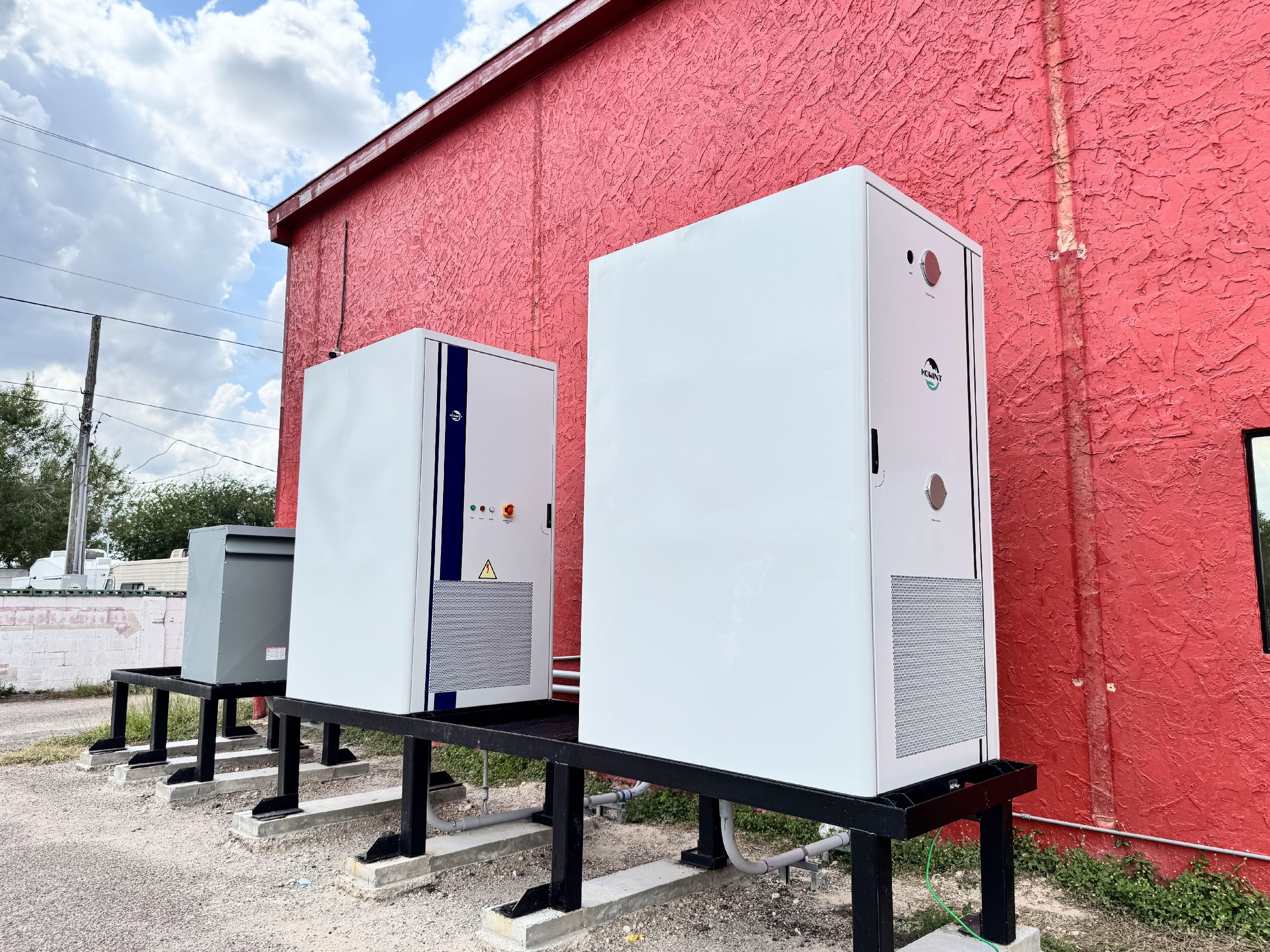
Applications and Real-World Impact
Demand charge reduction with BESS is widely applied across commercial and industrial sectors, including manufacturing, retail, EV charging, and large commercial buildings.
In many projects, demand charge savings become the primary contributor to return on investment, often delivering 20% to 40% reductions in demand-related costs and improving overall energy cost predictability.
About Kowint Energy
Kowint Energy provides commercial BESS solutions designed to help businesses reduce energy costs through demand charge management and peak load control. With a focus on system reliability and practical deployment, Kowint supports customers in optimizing real-world energy performance.
www.kowint.com | info@kowint.com