

 Residential Energy Storage Solutions
 Commercial & Industrial BESS Solutions
 Residential Energy Storage System
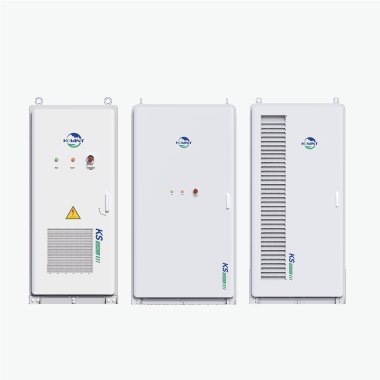
 Commercial & Industrial BESS
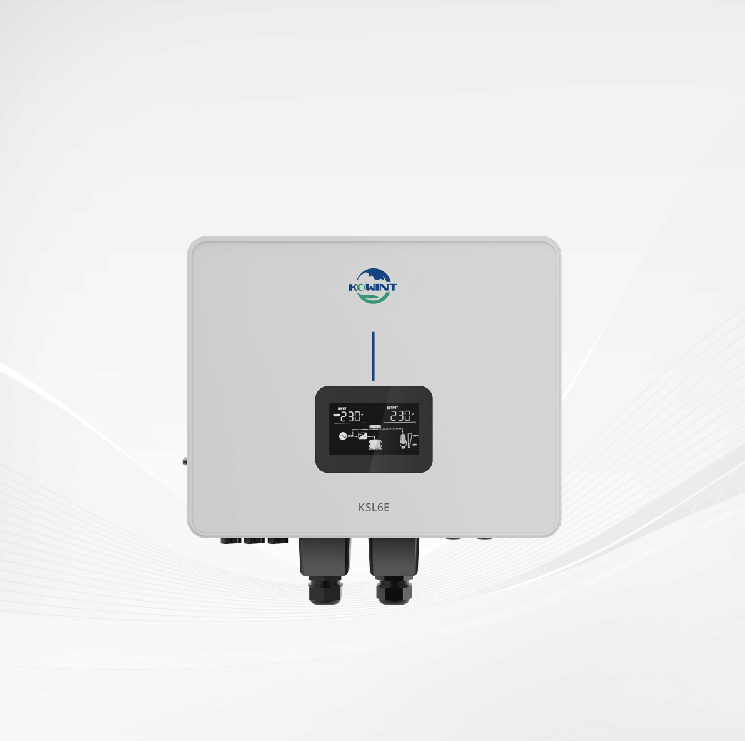
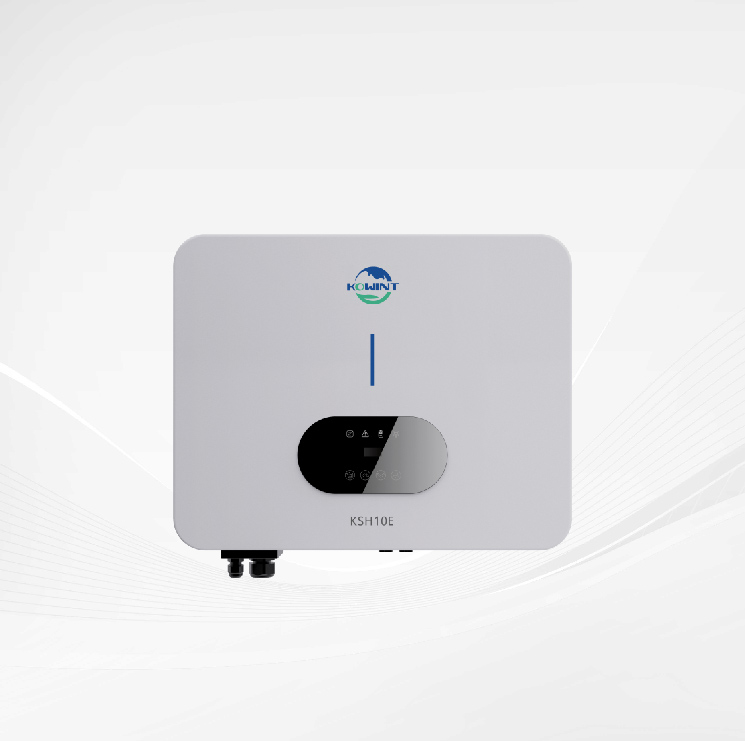
 Residential Inverter
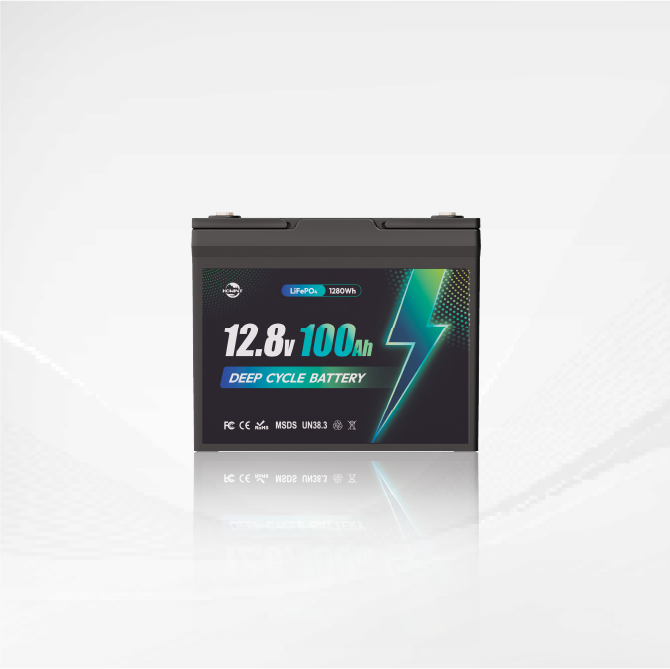
 Deep Cycle LiFePO4 Battery


 Datasheet
 Warranty
 FAQ
 Videos
 Technical Support
 Contact Us
 News
 Webinars
 Events
How to Calculate Commercial BESS Payback Period
Investing in a commercial Battery Energy Storage System (BESS) is a major financial decision for businesses. Beyond battery capacity and equipment costs, one of the most important considerations is how long it takes for the system to recover its initial investment.
The payback period helps business owners, EPCs, and project developers evaluate the financial feasibility of an energy storage project. However, the actual return depends on several factors, including electricity rates, energy consumption patterns, system efficiency, and operating costs.
This article explains how to calculate the commercial BESS payback period, where the financial savings come from, and what to consider when evaluating a project.
1. What Is a Commercial BESS Payback Period?
The payback period is the time required for the financial savings generated by an investment to recover its initial cost.
For a commercial energy storage system, these savings primarily come from reducing electricity expenses through peak shaving and time-of-use (TOU) energy management. Depending on the application, additional value may come from demand response programs and backup power capabilities.
A shorter payback period generally indicates a more attractive investment. However, it should be evaluated alongside system lifespan, long-term operating costs, and overall project performance.
2. How to Calculate BESS Payback Period
The basic formula for calculating a commercial BESS payback period is:
Payback Period = Initial Investment / Annual Net Savings
The initial investment includes the total cost of the installed system, covering battery cabinets, PCS, EMS, electrical equipment, installation, and commissioning.
Annual net savings represent the financial benefits generated by the system after deducting operating and maintenance expenses.
Annual Net Savings = Annual Energy Cost Savings − Annual Operating Costs
This formula provides a starting point for evaluating project economics. To make the calculation meaningful, however, it is important to understand how a BESS generates financial savings.
3. How Does a Commercial BESS Generate Savings?
Commercial battery storage systems can reduce electricity expenses through different operating strategies. The most suitable approach depends on the facility's electricity tariff, load profile, and energy consumption patterns.
3.1 Demand Charge Reduction
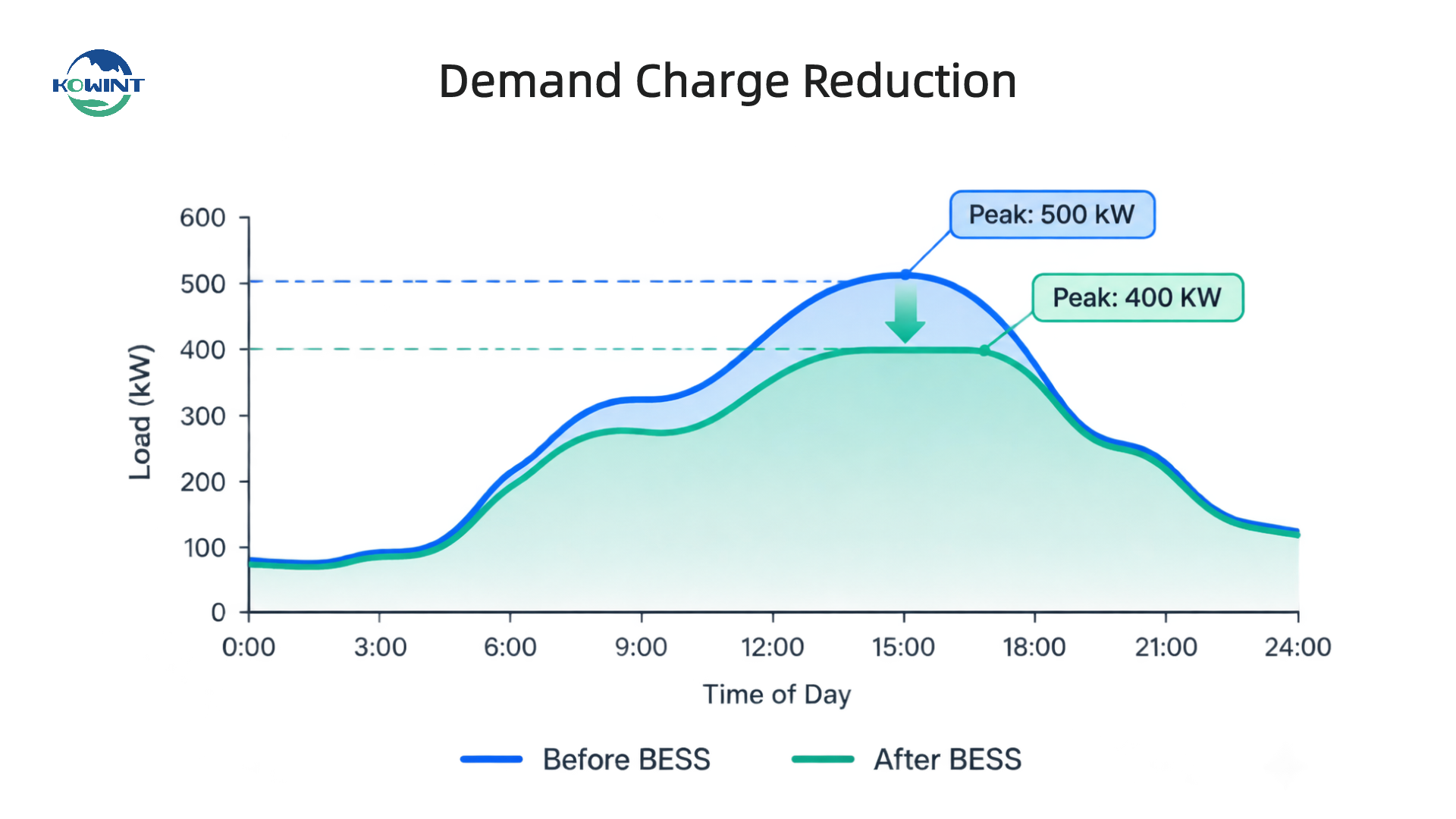
Many commercial electricity customers pay demand charges based on their highest recorded power demand during a billing period. These charges can represent a significant portion of the monthly electricity bill.
A BESS can discharge during periods of high electricity demand, reducing the facility's peak grid consumption and helping lower demand charges.
For example, if a battery reduces peak demand by 100 kW and the utility demand charge is $20/kW per month, the potential monthly savings are:
100 kW × 2,000/month
Actual savings depend on the utility's billing structure and the system's ability to consistently reduce the relevant peak demand.
3.2 Time-of-Use Energy Arbitrage
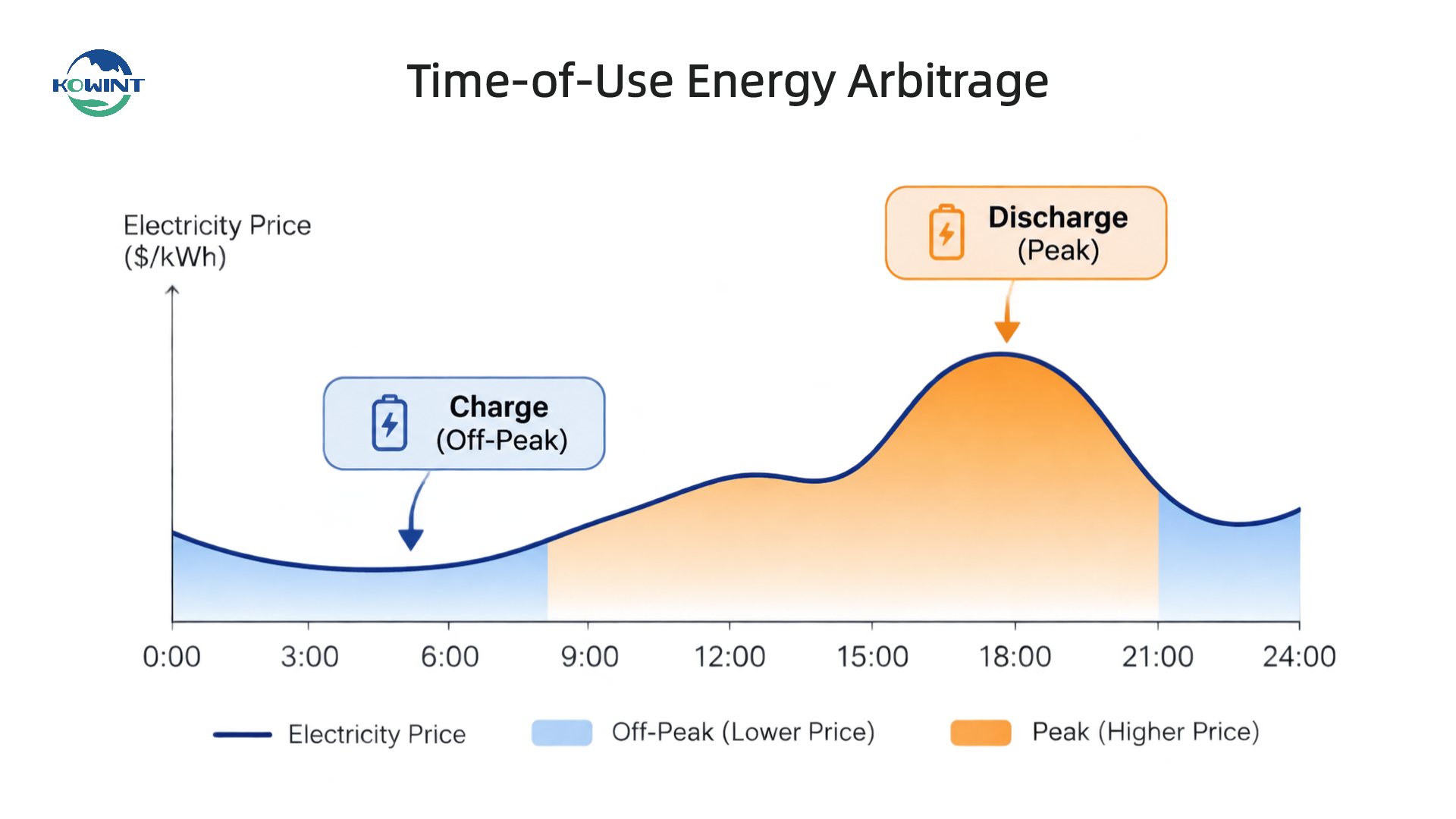
Under time-of-use electricity rates, power prices vary throughout the day. A BESS can charge during off-peak hours when electricity is cheaper and discharge during peak hours when prices are higher.
The financial benefit comes from the difference between the cost of charging the battery and the cost of purchasing electricity during peak periods. Battery efficiency and charging schedules must also be considered to estimate the actual savings.
3.3 Additional Financial Benefits
Depending on local utility programs and market conditions, commercial BESS owners may also generate revenue through demand response and grid services.
Battery storage can also provide backup power during grid outages, helping businesses maintain critical operations and avoid potential downtime costs. While these benefits do not always translate into direct electricity bill savings, they can contribute to the overall value of an energy storage investment.
4. What Factors Affect the Payback Period?
The payback period varies from one project to another because the financial performance of a BESS depends on both technical specifications and site conditions.
Electricity tariffs are among the most important factors. Facilities with high demand charges or significant differences between peak and off-peak electricity rates generally have greater opportunities to reduce energy costs.
System efficiency and battery degradation also affect long-term savings. Round-trip efficiency determines how much energy can be recovered after charging, while battery degradation gradually reduces available capacity over time. Both should be considered when estimating the system's long-term performance.
System sizing is equally important. Battery power, measured in kW, determines how much electricity the system can deliver at a given moment, while energy capacity, measured in kWh, determines how long it can sustain that output. The system should be configured according to the facility's load profile and operating requirements.
Finally, the total project cost should include installation, electrical equipment, commissioning, and ongoing maintenance. Evaluating only the battery cabinet price may lead to an inaccurate estimate of the actual investment.
5. Beyond Simple Payback: Evaluating Long-Term Returns
Simple payback is useful for an initial investment assessment, but it does not fully reflect the long-term financial performance of a commercial BESS.
For larger projects, developers and investors may also consider Net Present Value (NPV), Internal Rate of Return (IRR), and Levelized Cost of Storage (LCOS). These indicators help evaluate future cash flows, investment returns, and the lifetime cost of stored electricity.
By considering these financial metrics alongside the simple payback period, project developers can make more informed decisions about system configurations and long-term investment value.
6. What Information Is Needed for a BESS Payback Analysis?
An accurate payback analysis starts with understanding the facility's electricity consumption and operating requirements.
The most useful information includes electricity bills from the previous 12 months, preferably supported by 15-minute or hourly interval load data. These records help identify peak demand, electricity consumption patterns, and applicable utility rates.
The proposed system configuration, including battery power, usable energy capacity, efficiency, and installation costs, is also needed. With these details, an energy storage provider can evaluate the appropriate system size and estimate potential financial savings.
Conclusion
Calculating the commercial BESS payback period requires more than comparing equipment costs with estimated electricity savings. Electricity tariffs, load profiles, battery efficiency, system sizing, and operating expenses all influence the actual return.
The most cost-effective solution is not necessarily the one with the lowest upfront price or the largest battery capacity. It is the system properly configured to match the facility's energy consumption patterns and financial objectives.
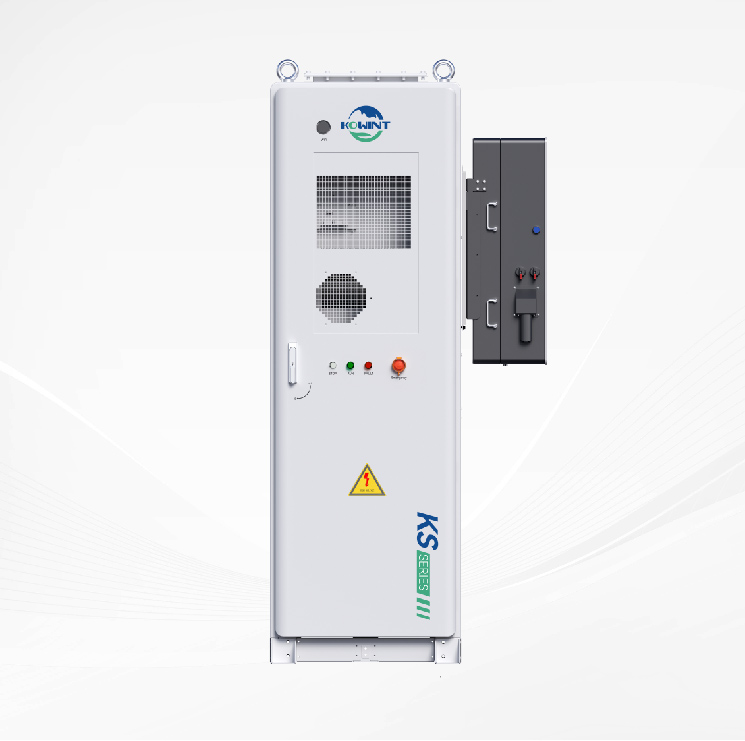
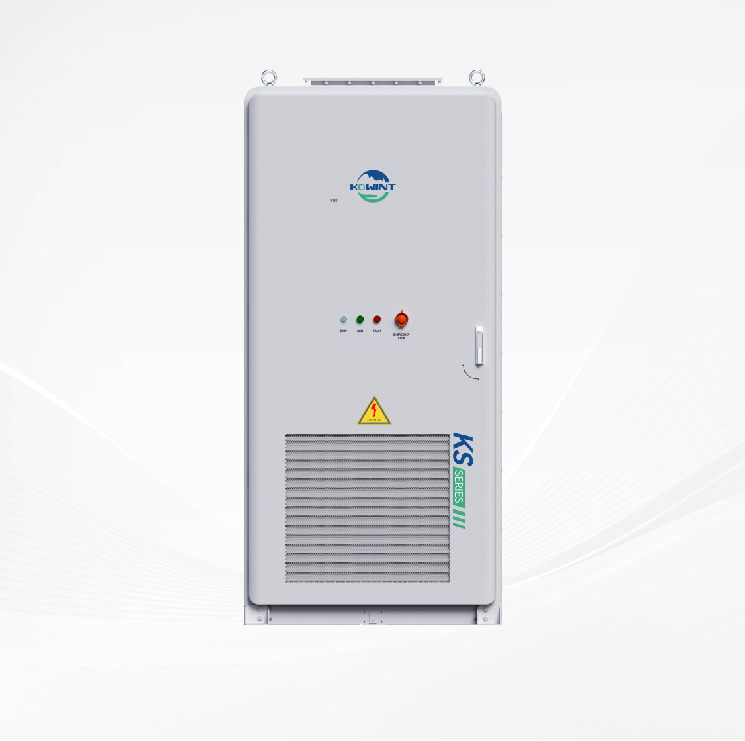
KOWINT Energy provides commercial and industrial battery energy storage solutions, including the KS-60A, KS-233A, and KS-261A series, supporting applications such as peak shaving, energy cost optimization, and backup power.
With U.S.-based technical support, KOWINT works with EPCs, installers, and project developers to support system selection and project implementation.
Contact KOWINT Energy to discuss your commercial BESS project and explore an energy storage solution that fits your application.
www.kowint.com | info@kowint.com